Buying a pre-owned MagnaWave machine can be one of the smartest investments for horse owners, trainers, and equine therapists if done correctly. These high-performance PEMF (Pulsed Electromagnetic Field) therapy systems are widely used to improve circulation, recovery, pain relief, and performance in horses .
However, because MagnaWave machines are premium, high-cost devices, purchasing used equipment requires careful evaluation to avoid hidden defects, outdated models, or overpriced deals.
This guide breaks down everything we must know before buying a second-hand MagnaWave system, ensuring we maximize value while protecting our investment.
Why Buy a Pre-Owned MagnaWave Machine?
New MagnaWave systems can cost $8,000 to $20,000+ depending on model and power level . Buying used offers:
Significant cost savings
Faster return on investment (ROI)
Access to professional-grade equipment at lower entry cost
Opportunity to start an equine therapy business
But these benefits only apply if the machine is fully functional, authentic, and properly maintained.
Understanding What You’re Buying: MagnaWave Technology
MagnaWave machines use electromagnetic pulses to stimulate cells, improving:
- Blood circulation
- Oxygen delivery
- Muscle recovery
- Inflammation reduction
These pulses can penetrate deep into tissue up to 16 inches in horses, targeting joints and large muscle groups .
This makes MagnaWave one of the most powerful recovery tools used in:
- Competitive equestrian sports
- Veterinary rehabilitation
- Performance training programs
1. Identify the Exact MagnaWave Model (Critical First Step)
Not all MagnaWave machines are equal.
Common Models to Know:
MagnaWave Maia (digital, high-performance)
MagnaWave Maxx (analog, powerful)
Spiro systems (portable, hands-free)
Each model varies in:
Power output
Penetration depth
Treatment speed
Price
👉 Key Insight:
Higher-powered machines deliver faster and deeper results, making them more valuable for professional use.
2. Inspect Power Output & Coil Performance
The effectiveness of any MagnaWave machine depends on its coil integrity and output strength.
What to Check:
Consistent pulse strength
No weak or “dead” zones
Proper responsiveness during use
Even stimulation across applicators
MagnaWave works by delivering a pulsating charge through coils into tissues, so damaged coils drastically reduce effectiveness .
👉 Red Flag:
If the machine feels weak compared to expectations, it may be worn or faulty.
3. Examine Attachments & Applicators (Often Overlooked)
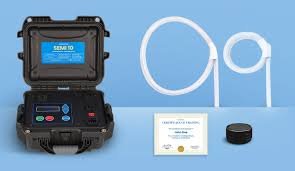
A complete MagnaWave system includes:
Large loop applicators
Small localized coils
Blanket or pad systems
Cables and connectors
Attachments are critical because they determine treatment versatility.
Check for:
Cracks or wear in coils
Loose wiring
Connector damage
Missing applicators
👉 Important:
Replacing attachments can be expensive, so missing components should reduce the price significantly.
4. Evaluate Battery Life & Electrical Components
Used MagnaWave machines often show wear in battery and internal electronics.
Must-Test Items:
Battery holds full charge
No overheating
Stable power output
Functional display and controls
MagnaWave machines are designed to be portable and easy to use, but aging batteries can reduce performance and usability .
👉 Pro Tip:
Ask how long the battery lasts per session this reveals real-world condition.

5. Verify Authenticity & Avoid Counterfeits
Because MagnaWave is a premium brand, the used market includes:
Modified machines
Rebranded devices
Counterfeit units
Always Verify:
Serial number
Manufacturer branding
Original documentation
Proof of purchase
👉 Best Practice:
Contact MagnaWave or an authorized distributor to confirm legitimacy before buying.
6. Review Usage History (Business vs Personal Use)
Usage history significantly affects machine lifespan.
Questions to Ask:
Was it used daily for business?
How many sessions per week?
Any repairs or servicing done?
Stored properly when not in use?
👉 Insight:
Machines used in therapy businesses may have higher wear but better maintenance, while personal units may have lower usage but unknown care standards.
7. Understand Real-World Performance (Community Insights)
From equestrian community discussions:
“It helps to promote well-being… increasing circulation and recovery.”
“Not a miracle cure… but helps with soreness and mobility.”
“Some horses benefit a lot, others less.”
👉 Takeaway:
MagnaWave is widely used and trusted, but results vary depending on:
Horse condition
Treatment frequency
Operator skill
8. Compare Price vs Value (Avoid Overpaying)
Used MagnaWave pricing depends on:
Model
Age
Condition
Included accessories
General Price Ranges:
Entry-level used units: $5,000–$8,000
Mid-range systems: $8,000–$15,000
Professional systems: $15,000+
👉 Rule:
If the price is “too good to be true,” it usually is.
9. Test Before Buying (Non-Negotiable)
Always test the machine in person or request:
Live video demonstration
Horse treatment session proof
Close-up inspection of components
👉 Checklist During Testing:
Pulse strength
Noise consistency
Heat generation
Ease of use
10. Consider ROI: Personal Use vs Business Opportunity
A MagnaWave machine can generate income through:
Therapy sessions
Barn visits
Competition services
Many practitioners build profitable businesses due to:
High demand
Repeat clients
Visible performance benefits
Where to Buy Trusted MagnaWave Machines
For reliable, high-quality equine recovery equipment, explore:
We recommend prioritizing:
- Verified sellers
- Warranty options
- Complete systems
- Professional-grade models